Introduction
The line between architecture and interior design has become increasingly blurred in Dubai’s most prestigious projects. As clients demand greater coherence between a building’s exterior expression and its interior experience, a new discipline has emerged at the intersection of these two fields: interior architecture Dubai. Interior architecture considers the interior of a building not merely as a space to be decorated but as a three-dimensional spatial experience to be sculpted, structured, and detailed with the same rigour and creativity applied to the exterior. For those seeking the best interior design company in Dubai, understanding the distinction between interior decoration and interior architecture is the first step to commissioning work of truly exceptional quality.
What Is Interior Architecture and How Does It Differ from Interior Design in Dubai?
Interior design focuses primarily on the aesthetic layer of a interior space of the building — selecting finishes, furniture, colours, lighting, and accessories to create a particular look and atmosphere. A skilled interior designer brings taste, knowledge of materials and products, and space planning ability to the project.
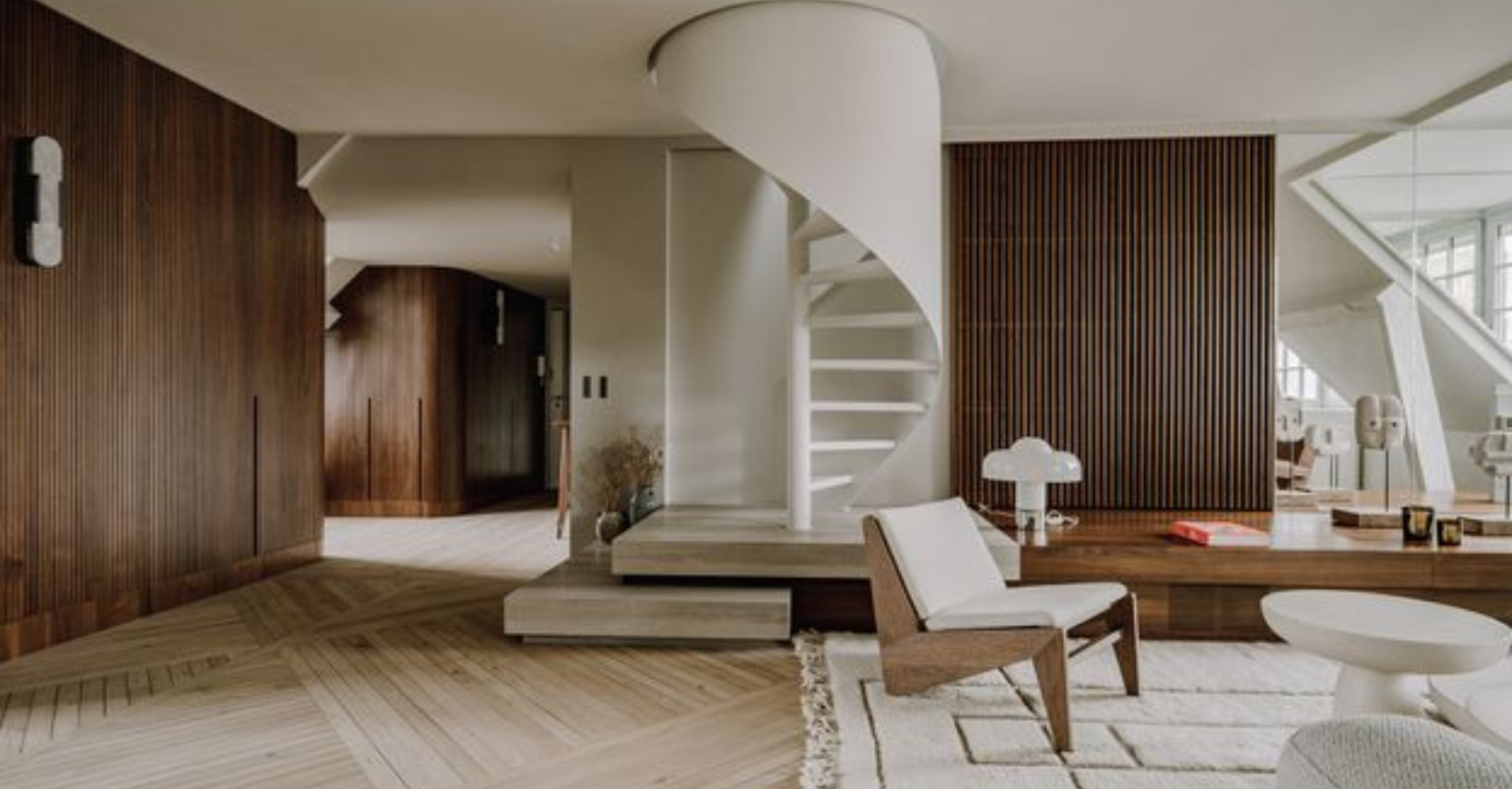
Interior architecture goes deeper. It involves the design of the spatial structure itself — how walls, ceilings, floors, openings, built elements, and light interact to create a particular spatial experience. Interior architects work with:
- Spatial volume and proportion: How high should ceilings be? How should rooms connect and flow? Where should openings be positioned to frame views or control light?
- Structural modifications: Removing, adding, or relocating walls and columns to create the desired spatial configuration
- Custom architectural elements: Designing staircases, balustrades, feature walls, built-in joinery, and other elements that are architecturally integral to the space
- Building systems coordination: Integrating HVAC, lighting, acoustic, and AV systems into the architectural scheme without compromising the design intent
- Material and light interaction: Understanding how chosen materials will behave under natural and artificial light conditions at different times of day
In Dubai’s luxury residential and hospitality markets, interior architecture is increasingly the standard expected by discerning clients. A space that is simply furnished and decorated, however expensive the furnishings, lacks the depth of quality that a truly architecturally resolved interior delivers.
What Does an Interior Architect Do Differently from an Interior Designer?
An interior architect typically holds a professional qualification in architecture as well as interior design expertise. They are able to:
- Produce architectural drawings for authority approval (required when structural modifications or MEP changes are involved)
- Coordinate with structural engineers and other consultants on technically complex interior interventions
- Design custom architectural elements that are fabricated and installed as part of the building rather than as movable pieces
- Manage the interface between the building contractor and the interior contractor, ensuring that the two scopes of work are coordinated
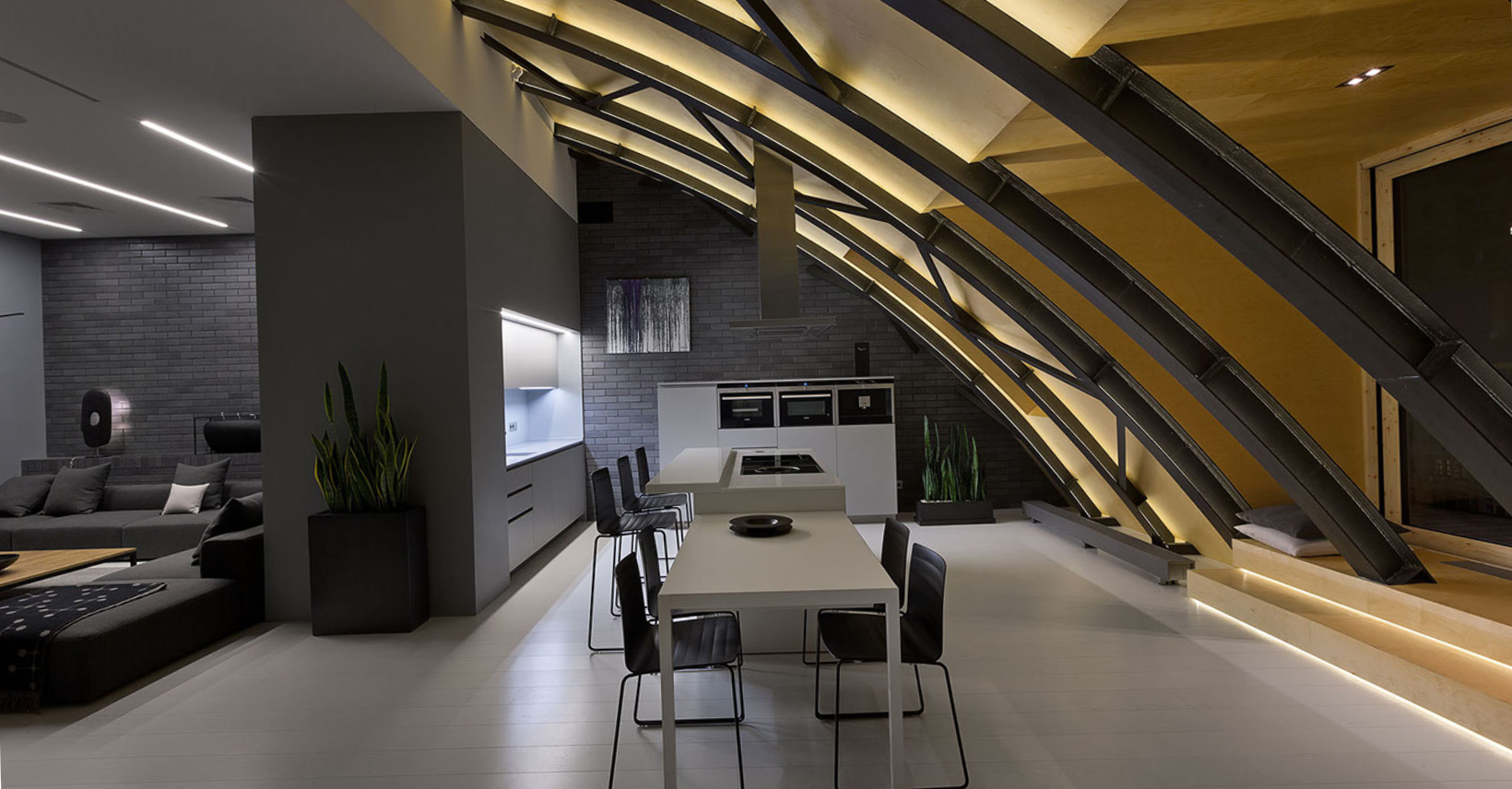
In Dubai, where luxury residential projects routinely involve significant spatial transformation — opening up floor plates, adding internal courtyards, creating double-height volumes, and installing bespoke staircases — the interior architect’s technical skill is indispensable.
Interior Architecture in Dubai’s Luxury Residential Market
Dubai’s luxury residential market has established interior architecture as a core component of high-end villa and apartment development. Developers at the top of the market now offer purchasers the option of a fully furnished home as part of the purchase — recognizing that buyers at this level expect the interior to be as architecturally considered as the exterior.
For buyers in secondary market properties or those commissioning bespoke villas, engaging an interior architecture firm ensures that the spatial quality of the interior matches the investment made in the property itself.
Interior Architecture in Hospitality
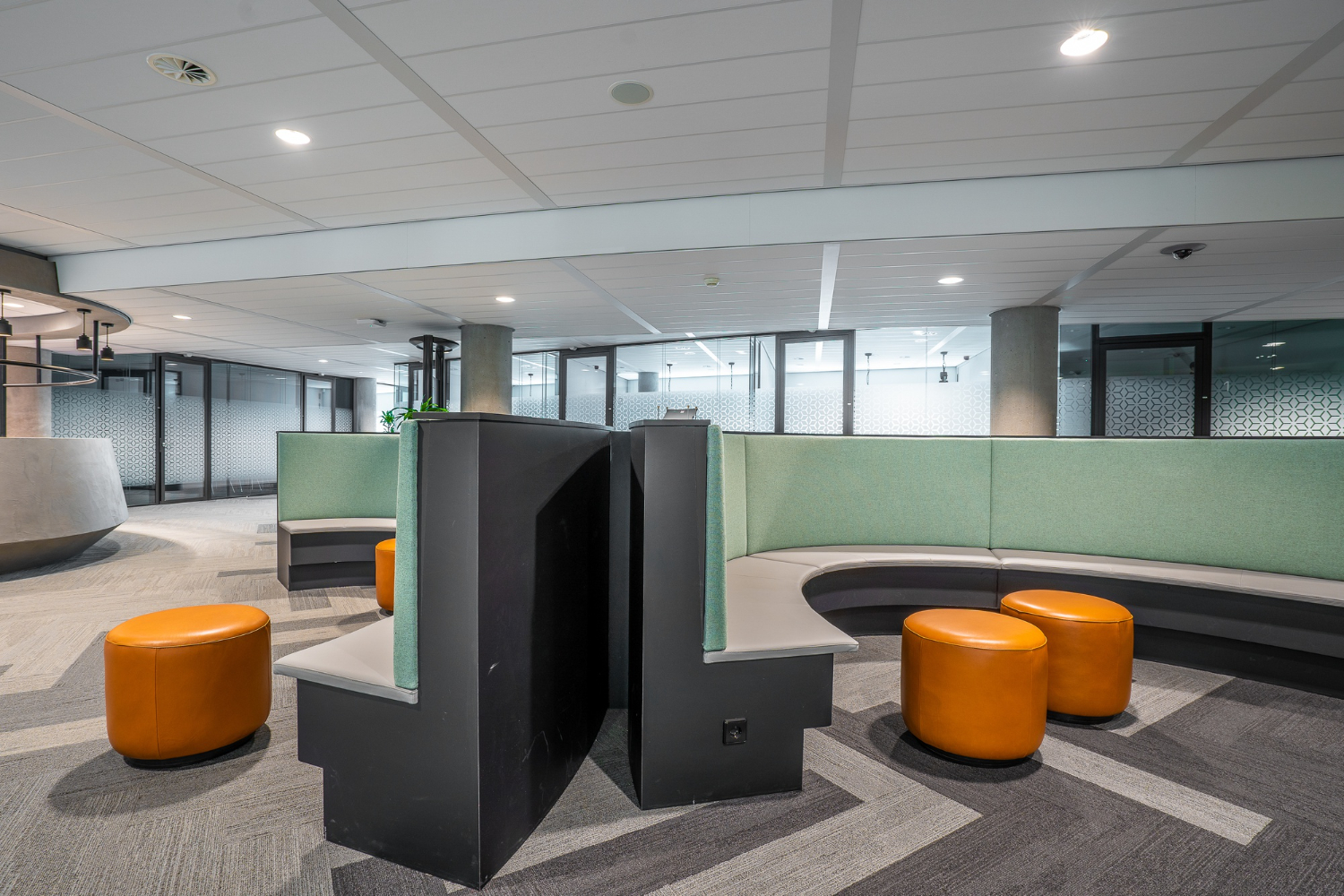
Dubai’s world-class hotel and restaurant sector depends on interior architecture to create the immersive, atmospheric environments that define extraordinary hospitality experiences. Great hotel lobbies, restaurant spaces, and bar environments are not simply decorated rooms — they are carefully engineered spatial experiences where proportion, material, light, and detail work together to create a very particular emotional response.
RBS Studio’s interior architecture team brings this level of design thinking to every hospitality project, creating environments that are both visually stunning and operationally effective.
Conclusion
Interior architecture Dubai represents the highest level of interior design practice — one that treats the interior space as an architectural problem requiring structural, spatial, and technical resolution alongside aesthetic sensitivity. For clients seeking the best interior design company Dubai for projects that demand this level of quality and depth, RBS Studio offers the full spectrum of interior architecture services, from initial spatial concept through to construction supervision and project delivery.